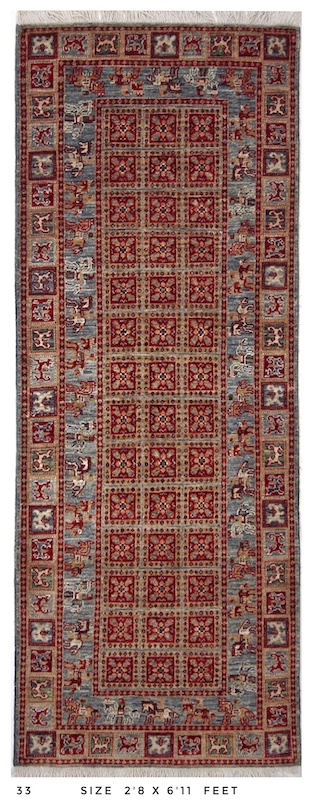
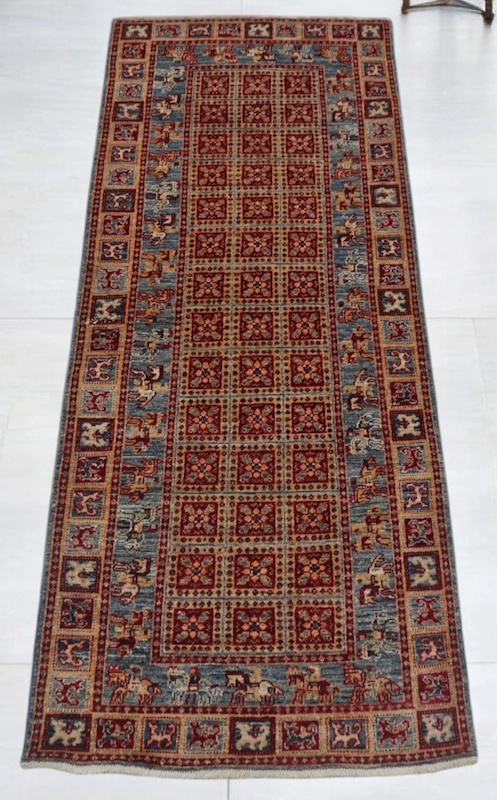
2.8×7 Pazyryk Rug Runner – Timeless Elegance for Hallways & Entryways
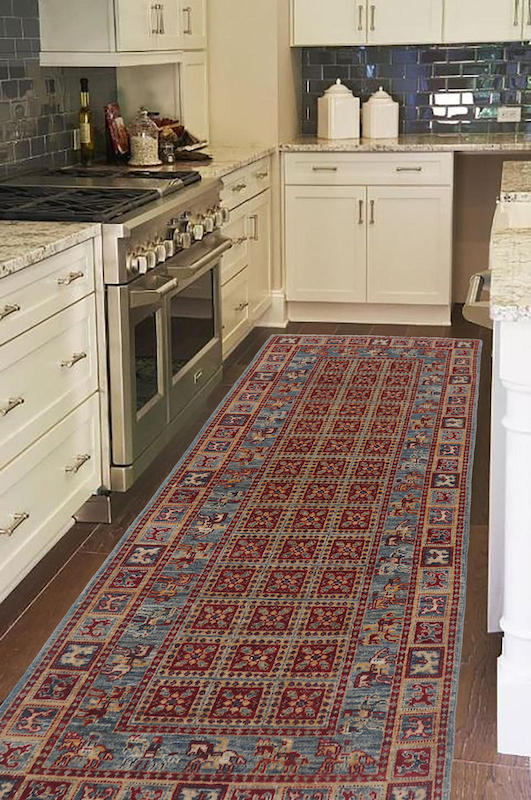
Discover the luxury of Persian craftsmanship with this exquisite 2.8×7 Pazyryk rug runner, inspired by the world’s oldest known carpet. Featuring hand-spun wool and long-lasting vegetable dyes, this runner is washable, durable, and perfect for high-traffic areas. Designed to blend traditional artistry with modern durability, it’s ideal for hallways, entryways, and kitchens.
Authentic Pazyryk Design & Rich Color Palette
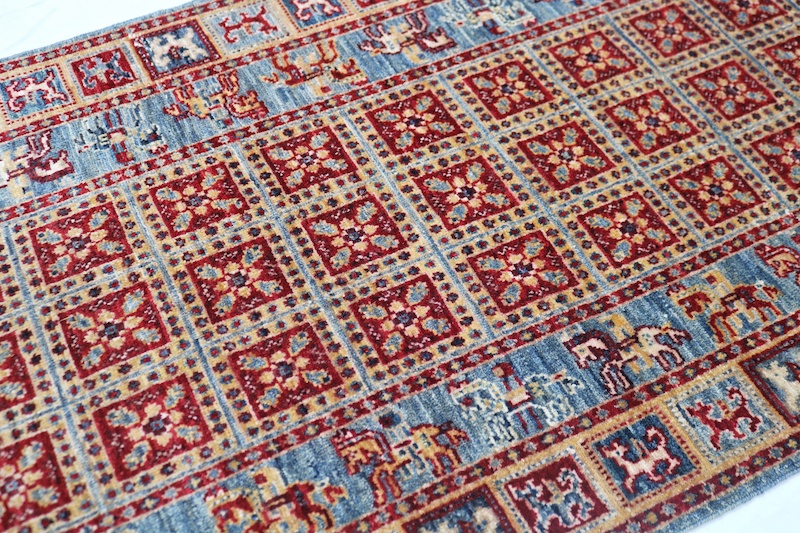
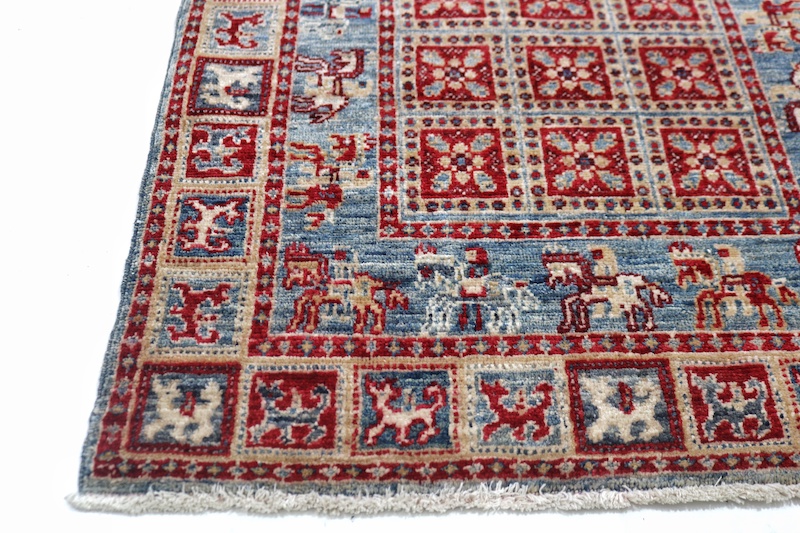
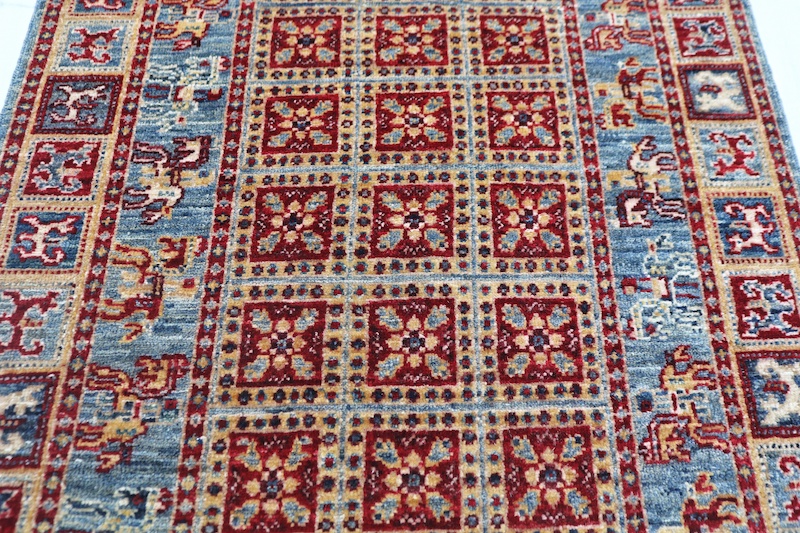
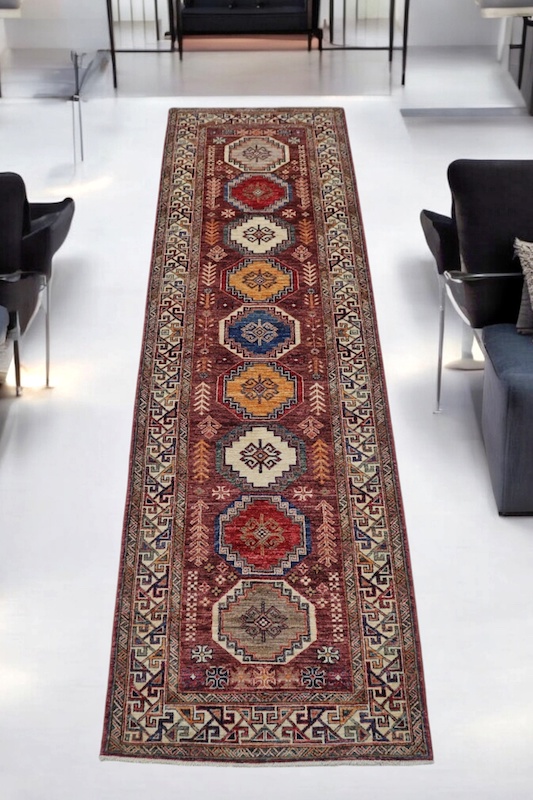
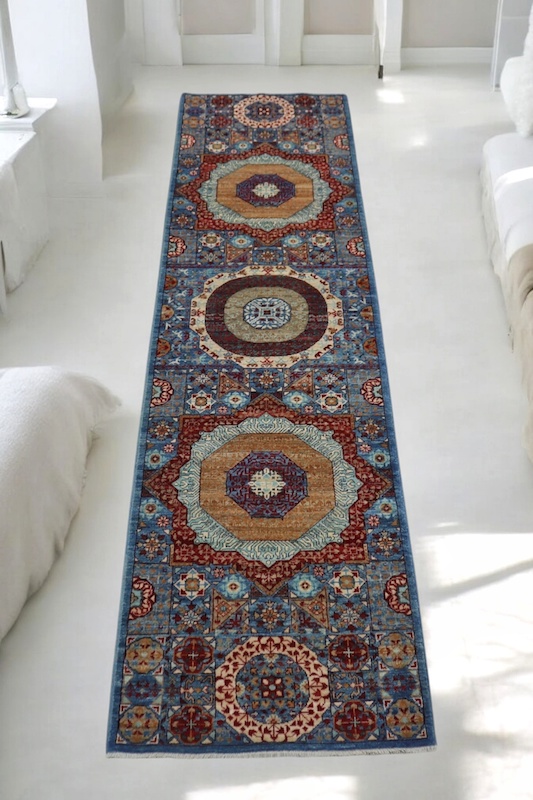
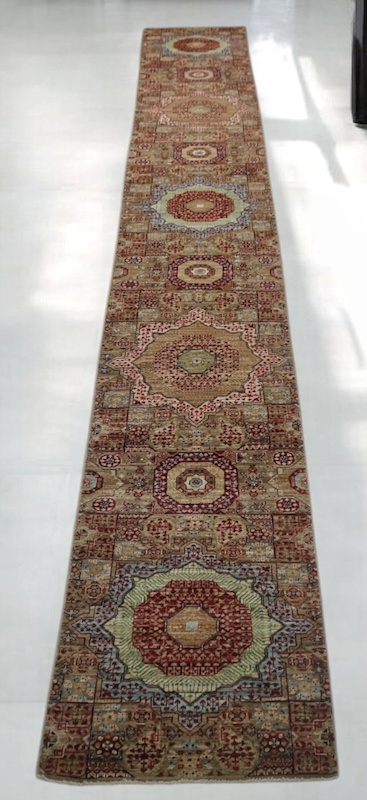
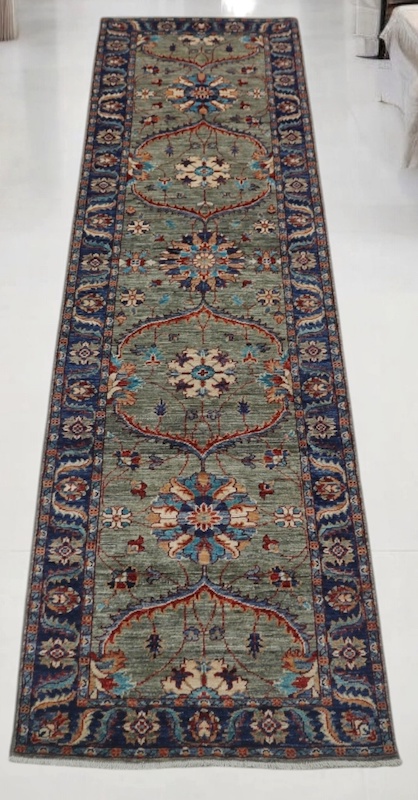
The Pazyryk rug is renowned for its intricate geometric patterns, tribal motifs, and deep color contrasts, making it a striking addition to any space. This luxurious wool runner rug features:
- A deep red and navy blue field, adding warmth and sophistication.
- Golden beige and ivory floral motifs, bringing elegance and contrast.
- Soft sky blue and muted rust accents, creating an authentic Persian-inspired appeal.
- Geometric and animal motifs, reflecting ancient Persian traditions.
Durable, Washable & Perfect for High-Traffic Areas
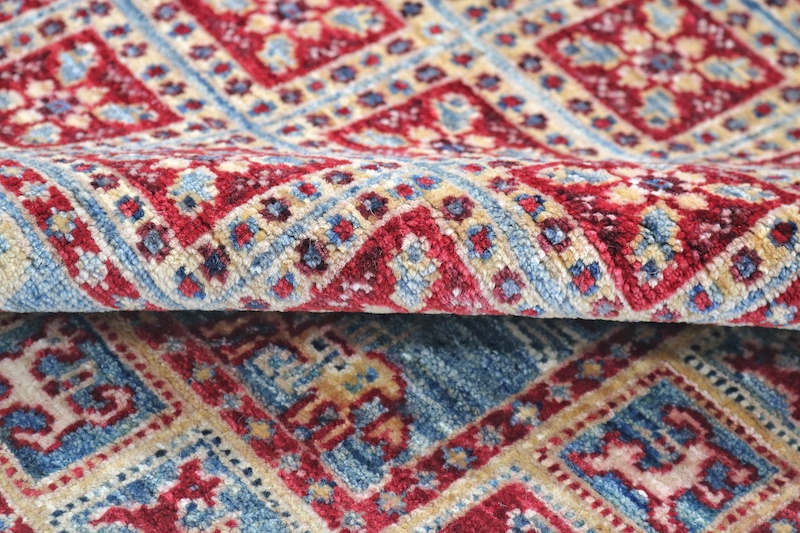
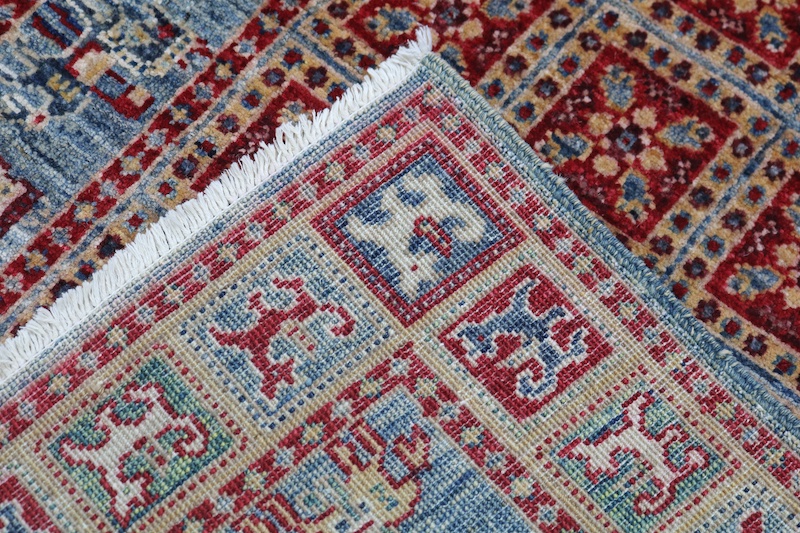
Crafted from premium hand-knotted wool, this non-slip, low-pile runner rug is designed for hallways, kitchens, and entryways. The stain-resistant, fade-resistant vegetable dyes ensure long-lasting vibrancy, while the soft, thick wool texture provides noise reduction and underfoot comfort.
Try Before You Buy – Visit Our Showrooms!
We invite you to explore this handmade Persian runner rug in person at our showrooms in Berkeley, San Francisco, and San Rafael, where we have 1,000+ rugs in stock. As a direct importer, we offer affordable pricing, competitive deals, and FREE shipping across the USA.
Shop now and bring home a piece of Persian history with this stunning 2.8×7 Pazyryk runner rug!
History of the Pazyryk Rug
The Pazyryk carpet (5th–4th century BCE), discovered in 1949 in a Scythian burial mound in Siberia’s Altai Mountains, is the oldest known surviving knotted-pile carpet. Preserved by permafrost, it features intricate motifs (riders, deer, griffins) in rich reds and golds, reflecting Persian or Central Asian influences. Likely made by the Achaemenid Empire or nomadic Pazyryk culture, its advanced technique (Turkish knots, 200+ per inch) reveals ancient weaving mastery. Now housed in St. Petersburg’s Hermitage Museum, it remains a pinnacle of ancient textile art.